
Music Theory


Music Theory Latest Posts
Two Minute Music Theory
Music Theory is a valuable and practical artform for all musicians throughout their lifetime.
Free video resources in music theory and analysis for Music educators, students, and enthusiasts.
Music theory is often confused as being mostly about identification, but really - it's more about interpretation. Music Theory is an art. And it's an artform that is both valuable and practical for all musicians throughout their lifetime.
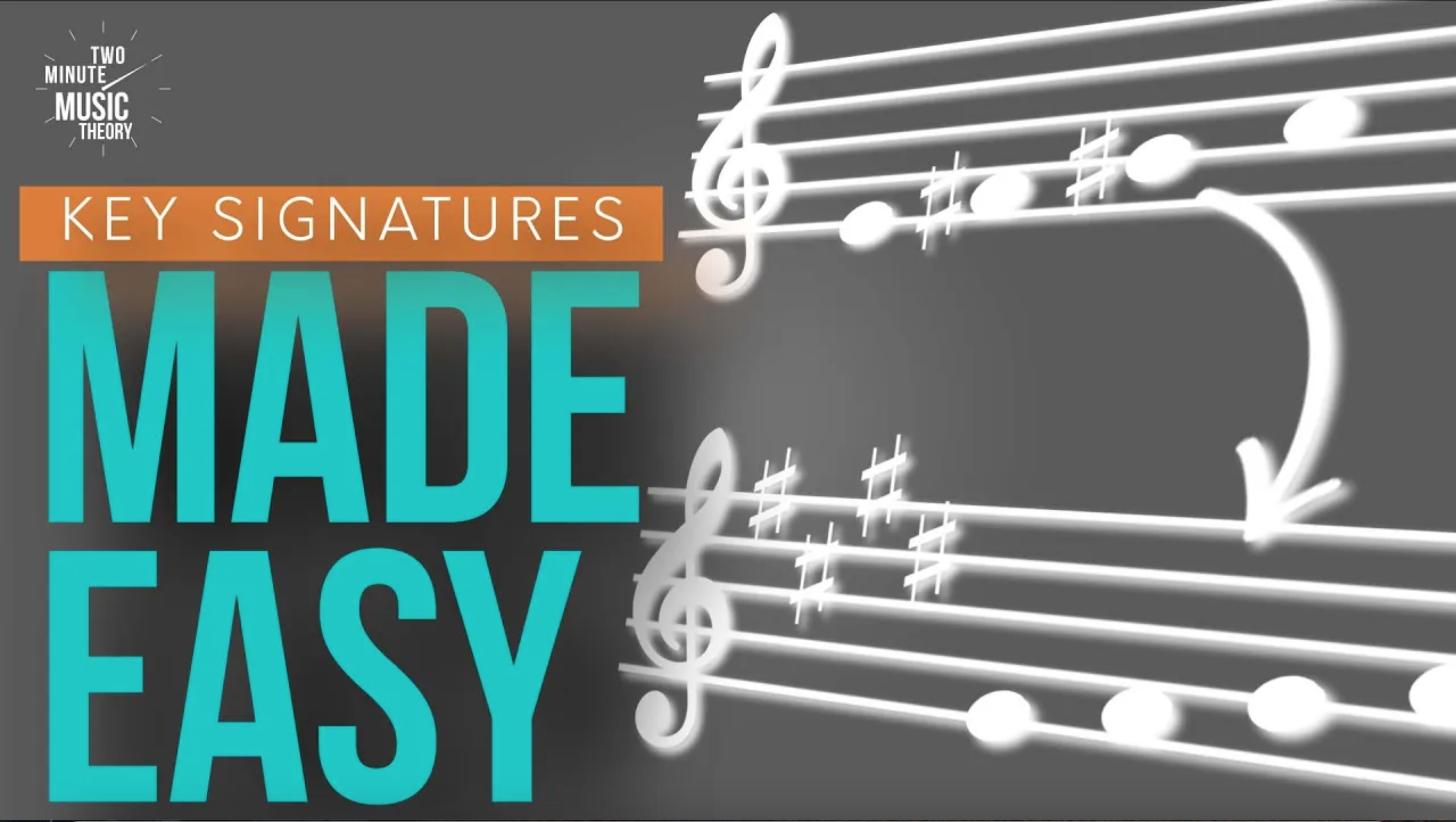
Here’s a three part video series looking at key signatures, why we need them, how to recognize them, and then how to name the keys and the modes based on their signatures.
Volumes of Dissertations have been written on the topic; and while it is endlessly nuanced, it doesn't have to be hard to understand the basics. Today, we're looking at the exposition, development, and recapitulation of Sonata-Allegro Form.
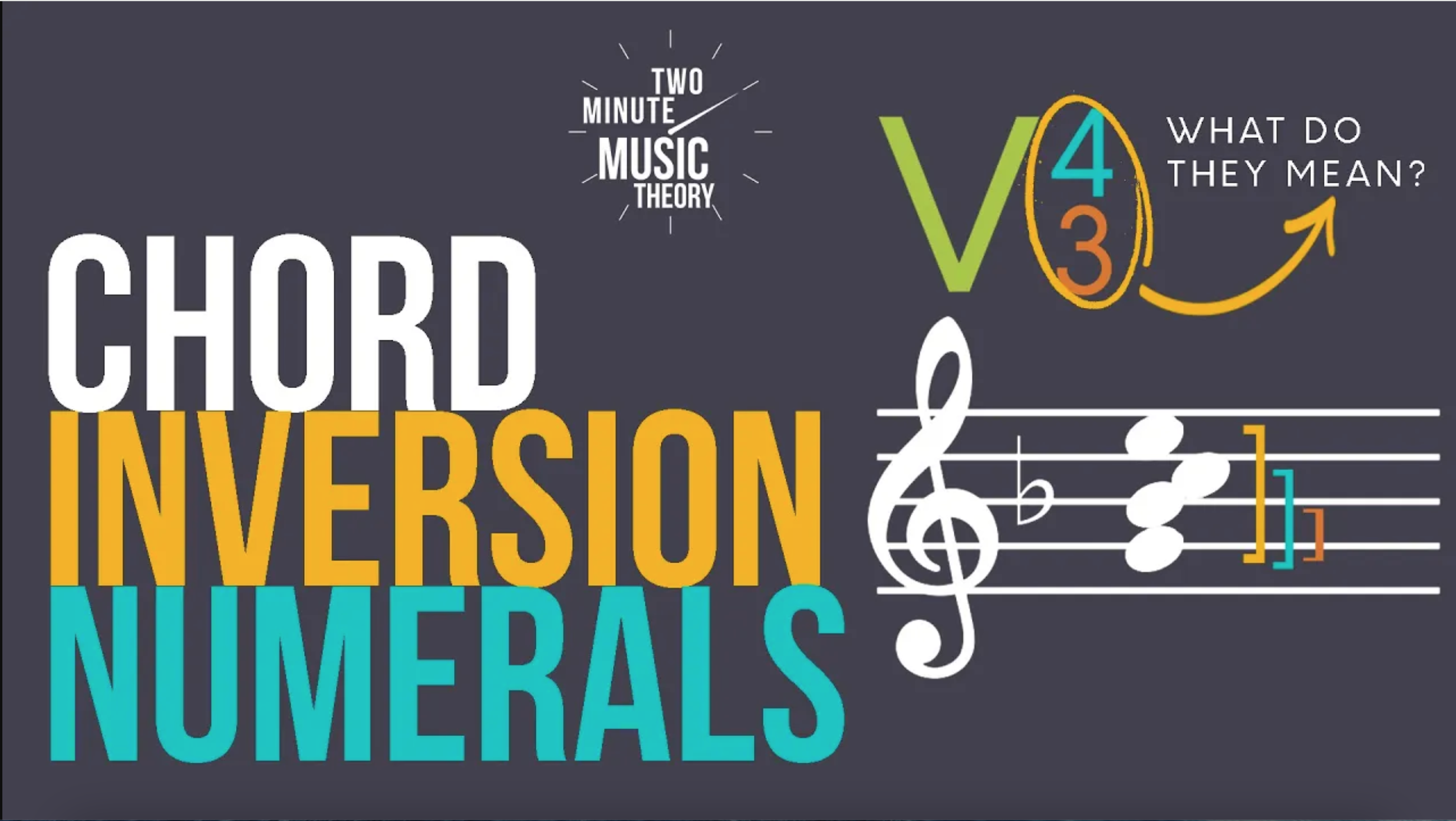
It's Two Minute Music Theory's 7th Birthday! I thought it would be appropriate to release a good old fashioned TMMT episode that's not 2 minutes long. Thanks to everyone for all of your support the last 7 years. Here's to the next 7.
Music Theory has built a reputation for being a very confusing subject. Some jokes around the internet even suggest that it is harder than rocket science. But it doesn’t have to be that way. There are things that we can do to help make music theory make more sense. And I’ve got five of them for you today.
I get a lot of questions about how to use music theory to write music. So, today I'm taking a look at a melody I wrote a long time ago to see how I can improve it using concept we learn in Theory I and II.
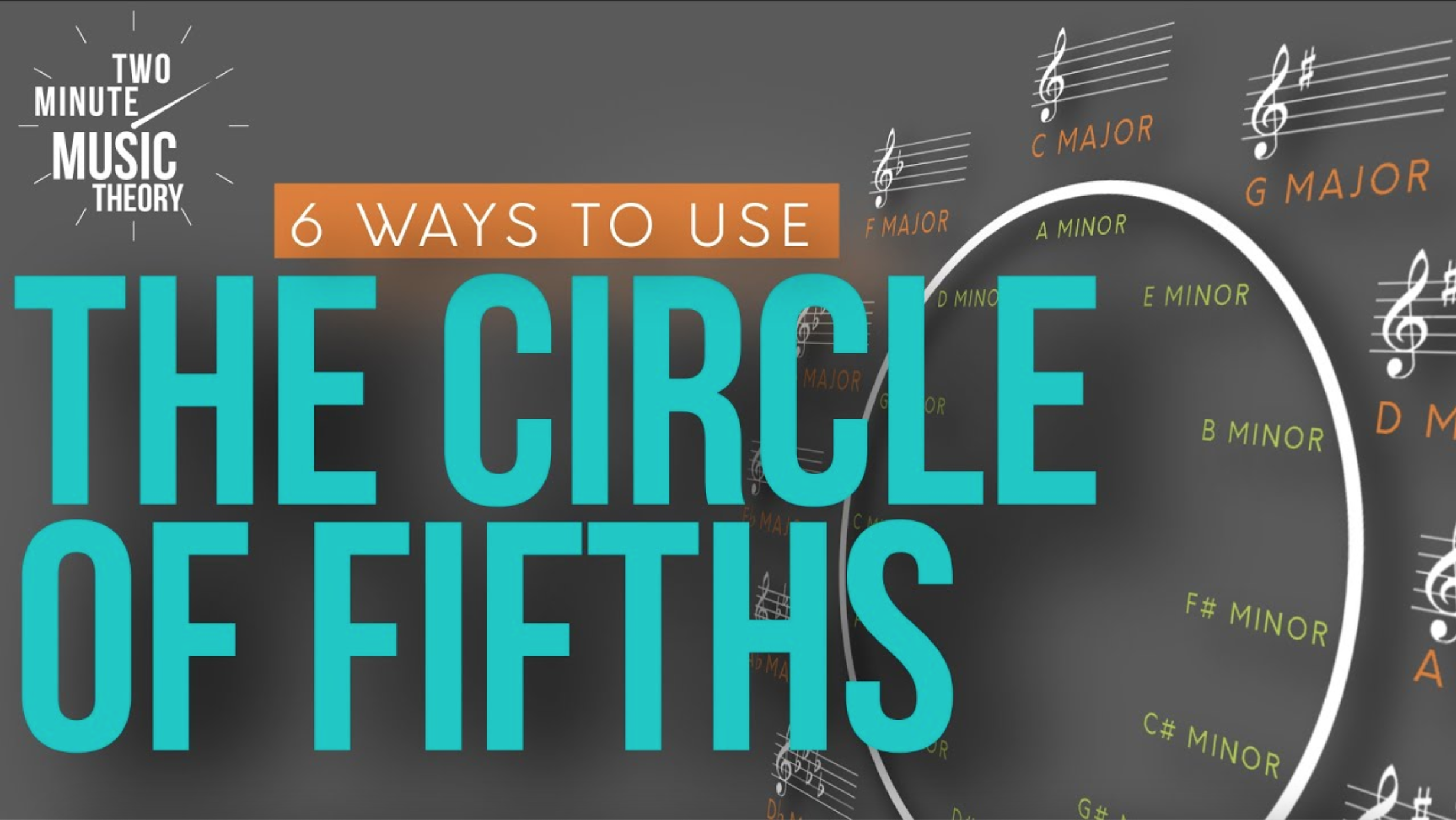
It’s one of the most useful tools in music theory, but what is it and how do we use it?
Make sure to get the chart from this episode down below!
Music theory is often thought of as a list of rules that govern music: Parallel 5ths are illegal; You can't double the leading tone; dominant must go to tonic. But is that really true? Are there actually any rules in music theory?

SAVE 20%
This Resource Bundle includes:
- Instrument Transposition + Ranges Chart
- How to Build and Use the Circle of 5ths
- Guide to Keys and Modes
- Theory of Scales Guide
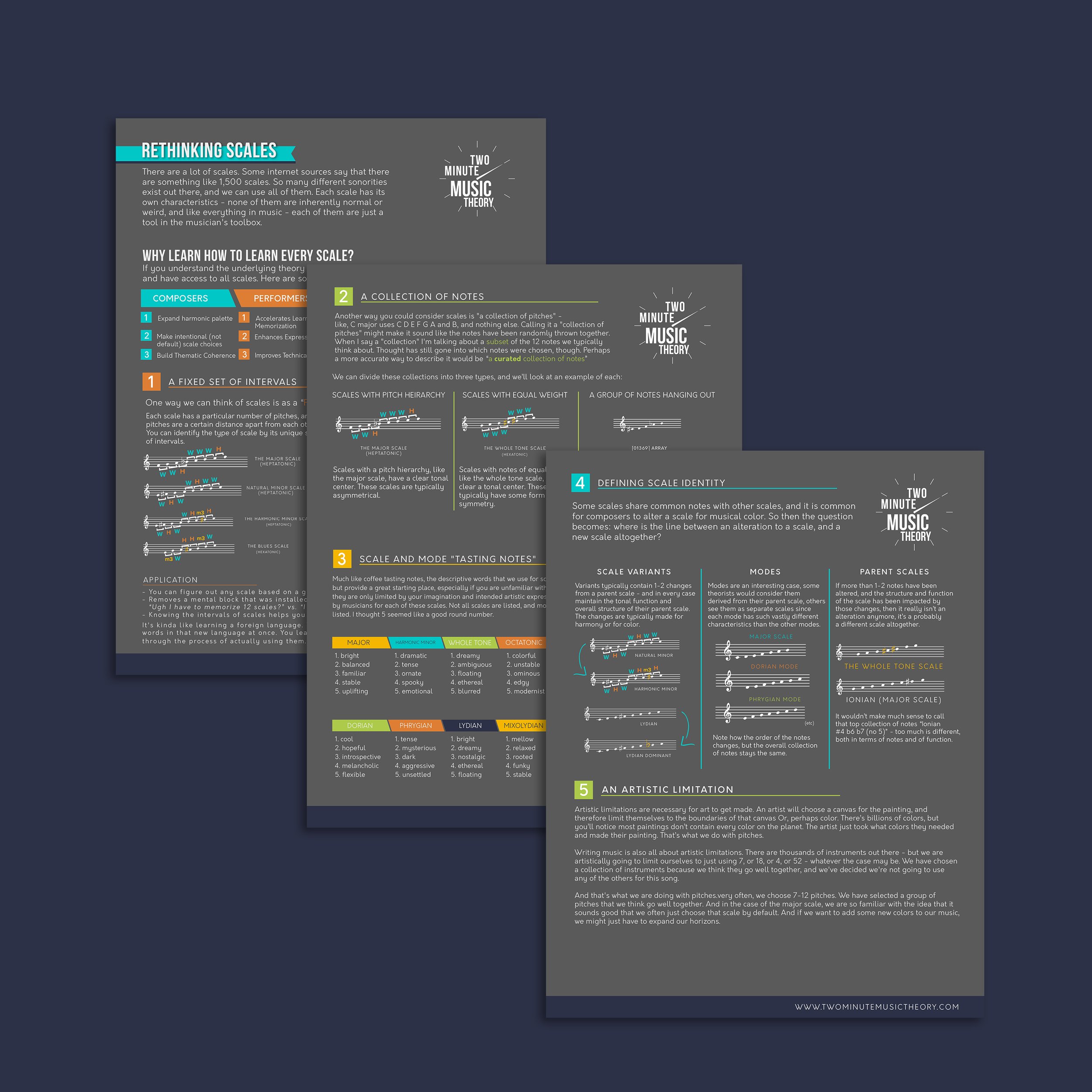
This guide was designed to help musicians rethink the way they approach scales. The major scale is often thought of as the “default scale” - but all of the scales are tools for a musicians toolbox. This three page guide will help introduce you to how scales are built, how to choose which scale to use, and how scales are related to one another.
This guide accompanies the four part video series on YouTube.
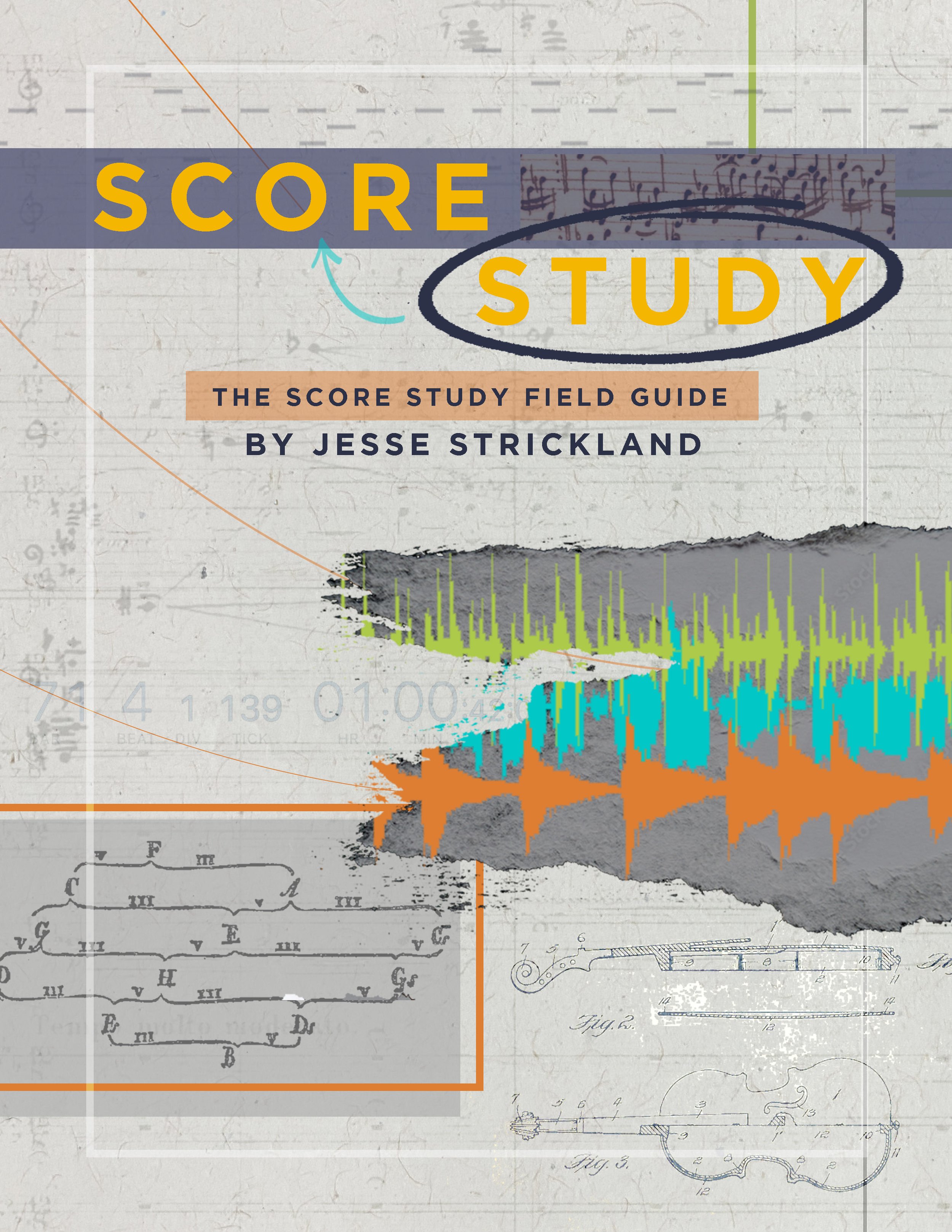
A Step-By-Step process that will guide musicians through analyzing music independently. Great for all musicians, music theory students.
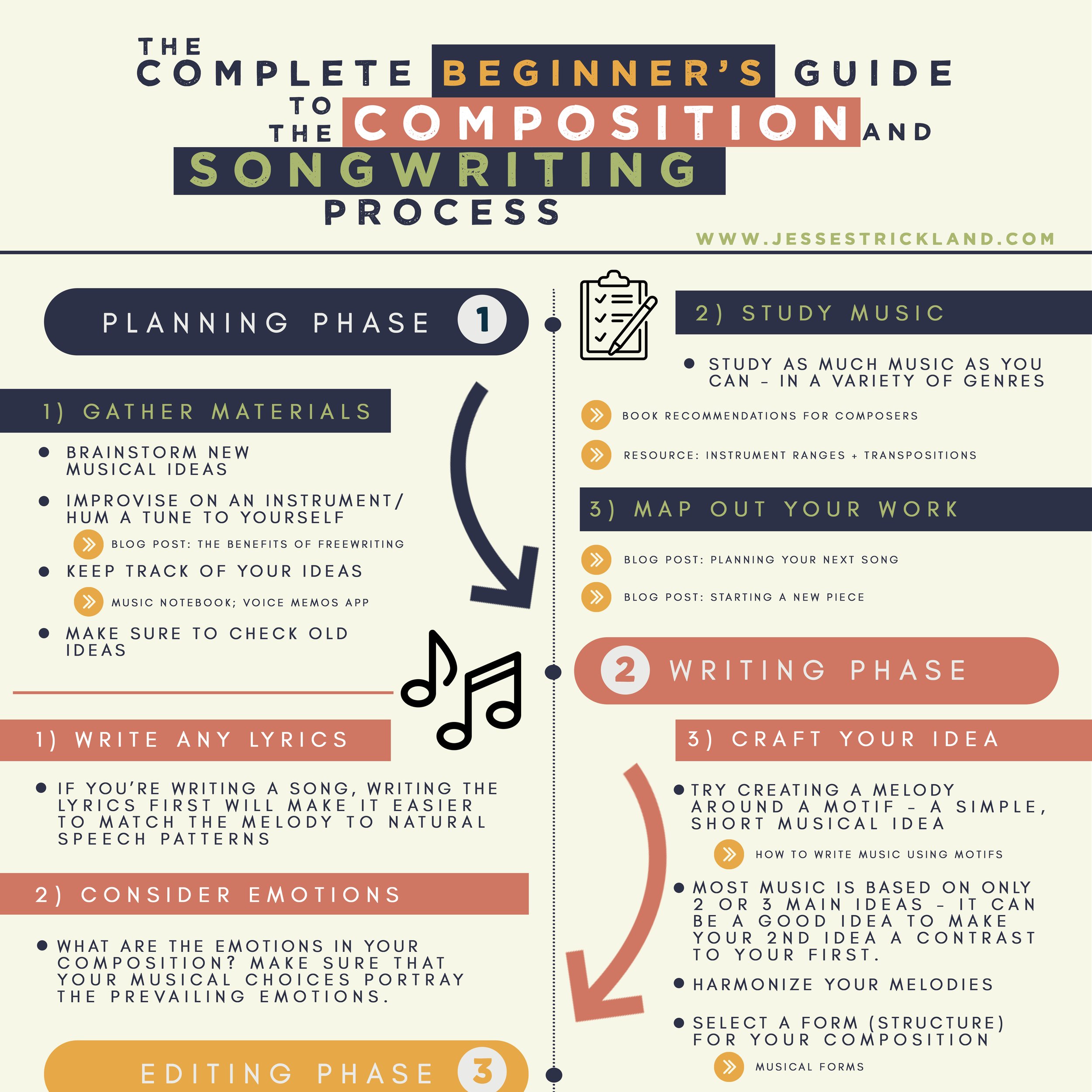
A flowchart of the 4-phase composition and songwriting process that I use for myself, and teach my composition students. This PDF has links to 16 additional resources that will help composers in their journey. Great for new composers and songwriters.
music theory resources
Featured Music Theory Course

Understanding
Music Theory
Overcoming 5 of the biggest obstacles to music theory fluency
Join the community
Join a community of people who want to get better at composition, music theory, and musicology.

Take Five is one of the best selling jazz singles of all time. I've always been fascinated by its use of the 5/4 meter. Today we are looking at how the Dave Brubeck Quartet took this simple idea in a complex meter, and made it into a masterpiece.
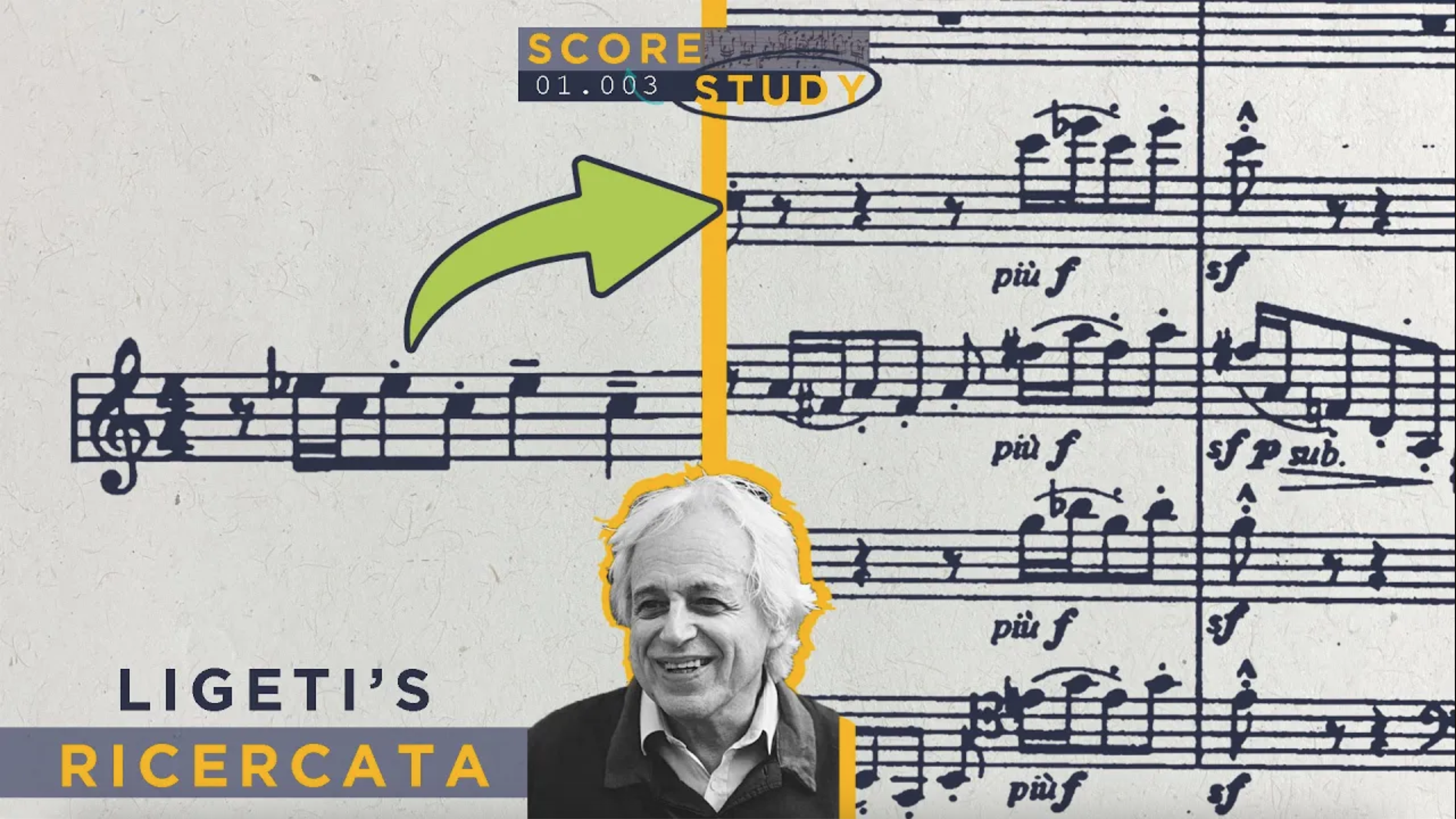
Orchestration can seem daunting. There can be too many possibilities, and there are a lot of instruments to keep up with. Today we're studying Ligeti's Ricercata III - looking at how he took a piece for solo piano, and orchestrated it for woodwind quintet (flute, oboe, clarinet, horn, and bassoon).
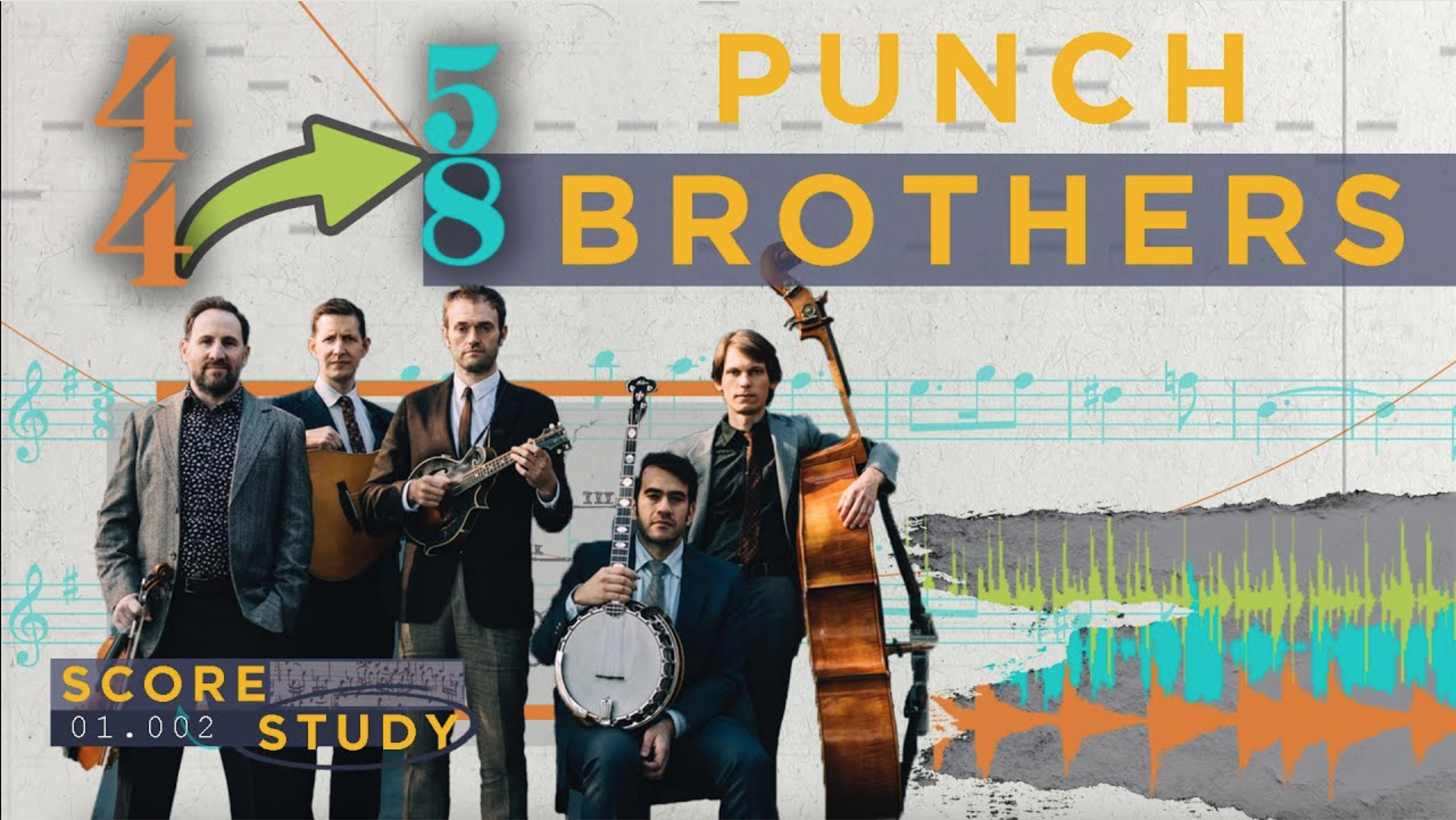
Today we're looking at 6 tips for converting from common meter to complex meter by analyzing the Punch Brothers cover of Tony Rice's Church Street Blues.
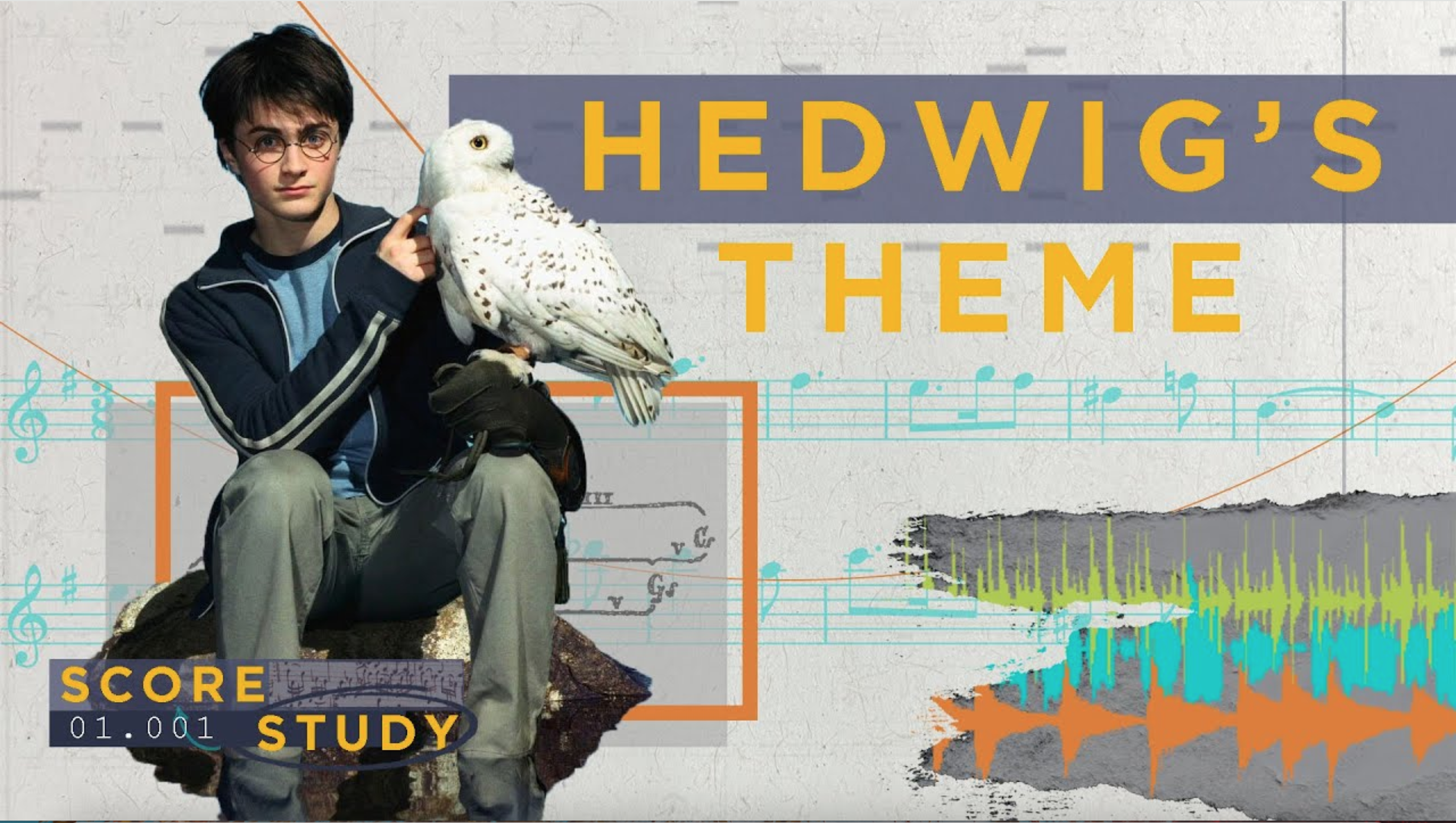
Starting a new series today! This is the first episode of a new series called Score Study, where I’ll be looking at very specific moments in a piece of music, breaking it down from a composer’s perspective, and then we’ll try to write something as an exercise from what we’ve learned.